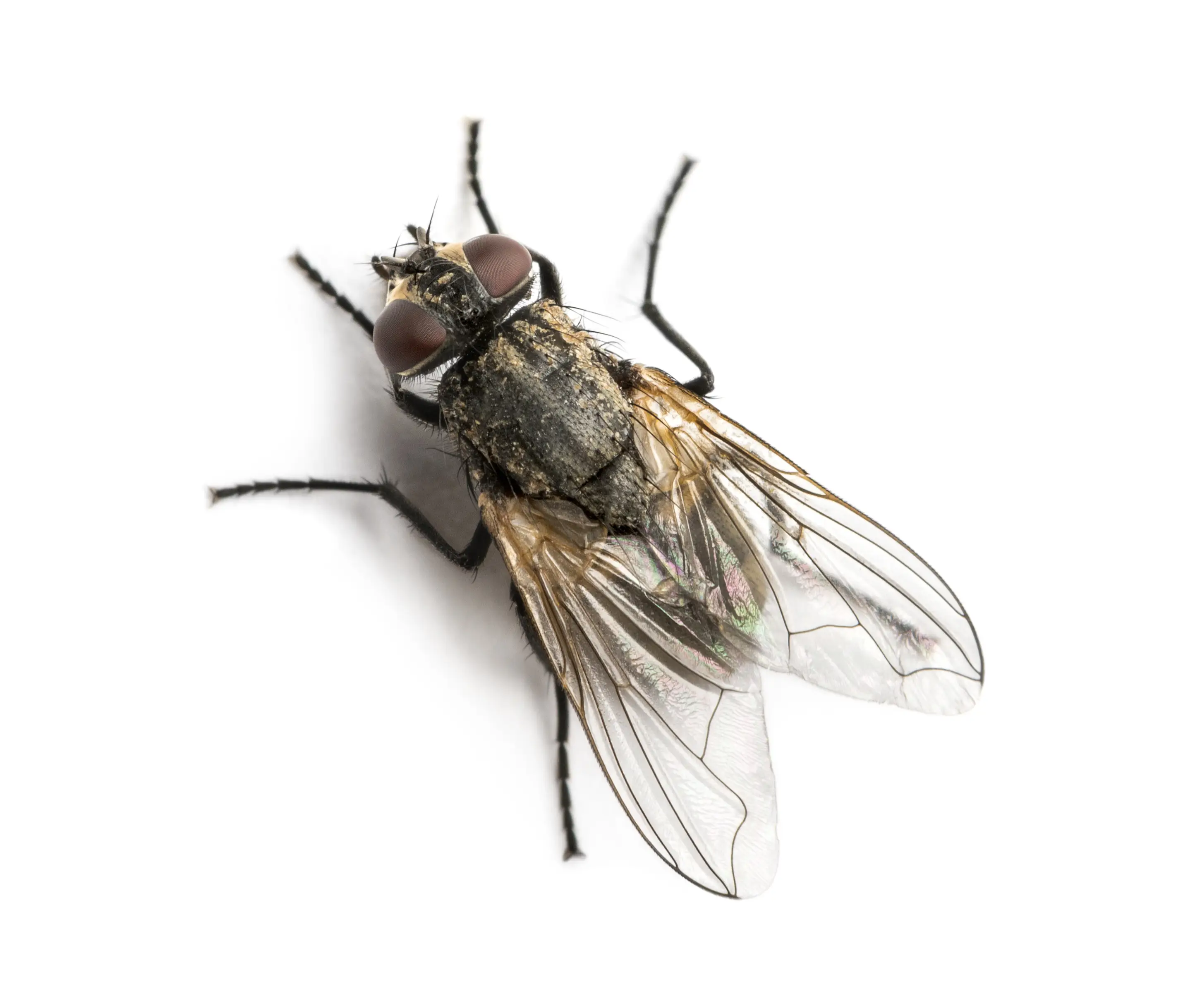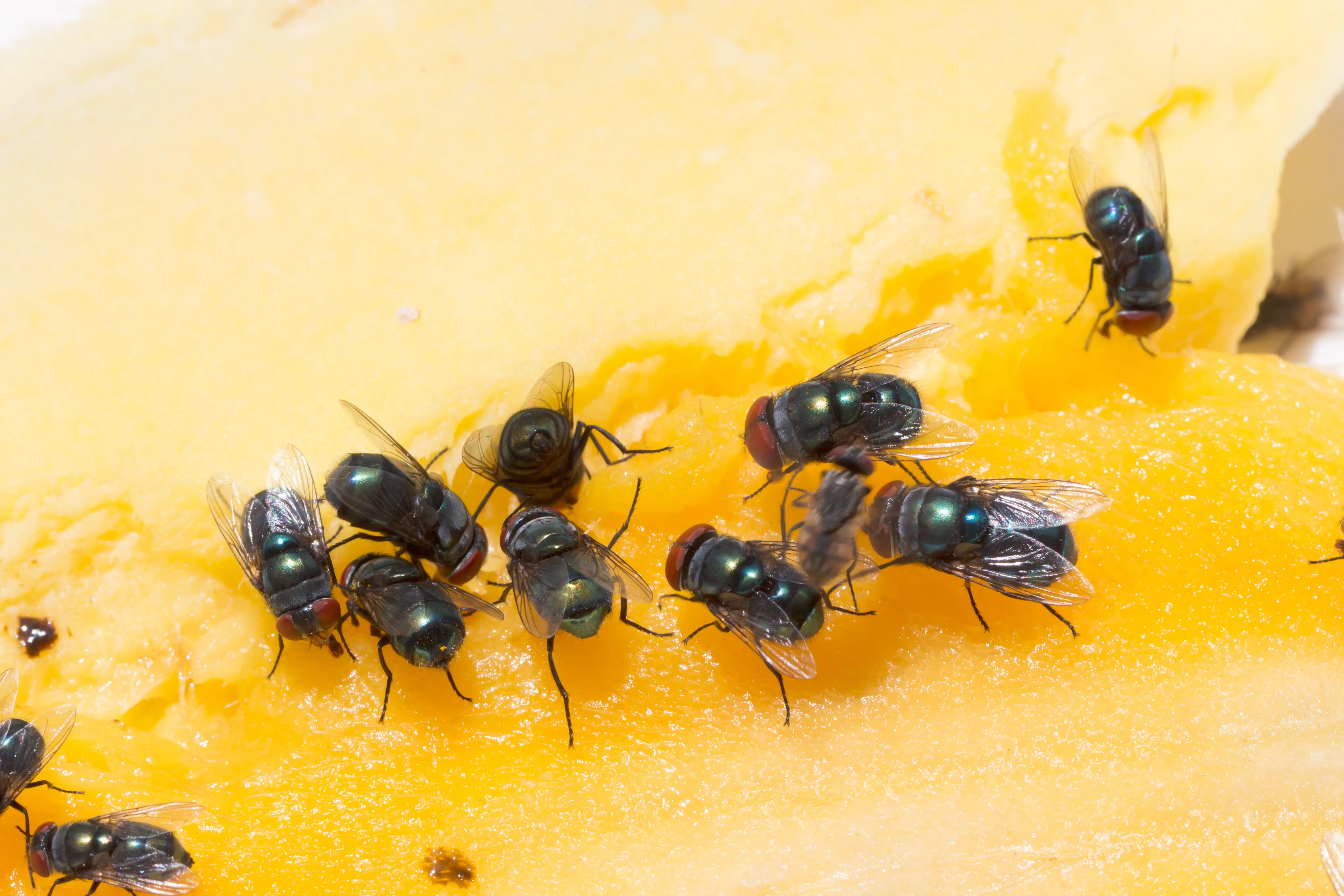

Maggots come from fly eggs laid on decomposing organic matter, rotting food, garbage, or other suitable breeding sites. Female flies deposit eggs that hatch into larvae (maggots) within 24 hours under ideal conditions [1]. Understanding the source of maggot infestations is crucial for effective prevention and treatment, as these larval flies can quickly establish populations in homes when proper sanitation practices are not maintained.
Discovering maggots in your home can be alarming, but recognizing where they originate helps homeowners address the root cause rather than just treating the symptoms. Female flies can lay over 500 eggs in their lifetime [2], leading to rapid population growth when conditions are favorable. The key to preventing maggot problems lies in eliminating the conditions that attract egg-laying flies in the first place.
In This Article:
- Maggot Breeding Sites
- Where Do Maggots Come From Outside?
- Where Do Maggots Come From in the House?
- Where Do Maggots Come From Without Flies?
- How Do Maggots Appear Out of Nowhere?
- What Are Maggots Anyway?
- Do Maggots Turn Into Flies?
- The Complete Fly Life Cycle
- Common Fly Species That Produce Maggots
- What Gets Confused for Maggots
- Why Maggots Choose Specific Locations
- Health and Safety Concerns
- How to Get Rid of Maggots
- Prevention Strategies
- Early Detection and Inspection
- Beneficial Role of Maggots
- When to Call Professional Pest Control
- Maggot FAQs
Need Help with Flies?
Our experts can eliminate fly and maggot infestations quickly and effectively.
? Same-day service available
? Licensed & insured
? Guaranteed results
? Free estimates
Related Pests
Maggot Breeding Sites
Maggots originate from different fly species, each with distinct breeding preferences and development timelines.
| Fly Species | Preferred Breeding Sites | Time to Maturity |
|---|---|---|
| House Flies | Garbage, animal waste, decaying vegetation | 7-10 days |
| Blow Flies | Dead animals, meat, carrion | 10-25 days |
| Fruit Flies | Fermenting fruits, vegetables, drains | 8-10 days |
| Drain Flies | Drains, sewers, organic slime | 10-15 days |
Where Do Maggots Come From Outside?
External breeding sites often serve as the primary source of flies that later enter homes to lay eggs:
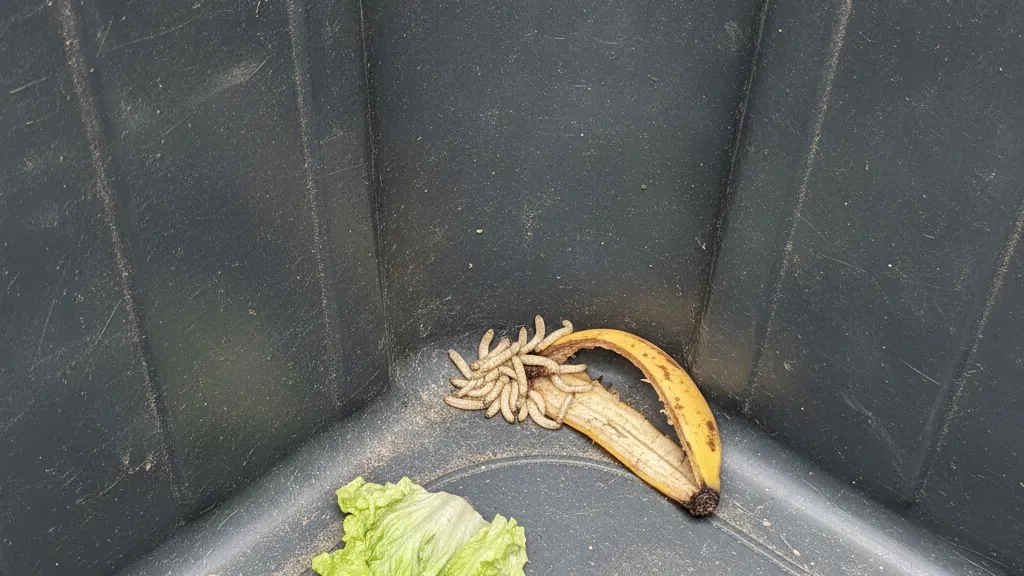
- Compost piles and organic waste: Decomposing plant material provides ideal breeding conditions for various fly species
- Animal waste and carrion: Pet waste, dead animals, or livestock areas attract flies seeking protein-rich breeding sites
- Garbage bins and dumpsters: Outdoor waste containers, especially those with food scraps, serve as major fly breeding grounds
- Garden waste and decaying vegetation: Fallen fruit, rotting vegetables, or neglected plant matter attracts egg-laying flies
- Standing water areas: Stagnant water combined with organic debris creates suitable environments for certain fly species
Flies can detect fermenting substances and decomposing materials even in small crevices, making thorough outdoor sanitation essential for preventing indoor maggot problems. Addressing these external sources reduces the fly population that might otherwise enter homes seeking additional breeding sites.
Where Do Maggots Come From in the House?
Indoor maggot infestations typically originate from several common household locations where flies find suitable breeding conditions:
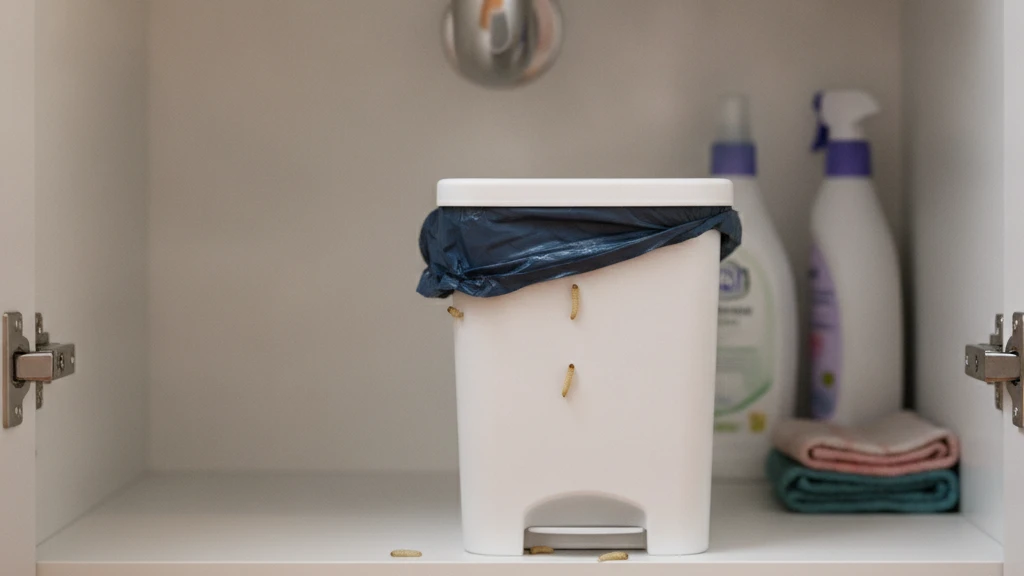
- Kitchen areas: Food scraps, spills, and improperly stored items attract flies seeking egg-laying sites
- Garbage containers: Indoor trash can infestations emerge in bins with food waste, as these provide ideal breeding environments
- Pet food areas: Leftover pet food and water bowls can accumulate organic matter that attracts flies, and the feeding zone itself is often the real source: spilled kibble under the bowl, damp food residue on the floor mat, and open bags stored in a warm garage or utility room
- Drains and plumbing: Kitchen and bathroom drains may harbor organic buildup that supports fly reproduction
- Pantry spaces: Spoiled food items or opened packages can become breeding sites when left unattended
- Crawl spaces and subfloor voids: Dark, humid, and rarely entered, a crawl space collects everything that supports fly breeding at once: standing water from a slow leak, wet insulation, pet or wildlife waste, and organic debris that nobody sweeps. Maggots developing here reach the living space through floor registers, plumbing penetrations, and the gap around a bathtub drain
- Dead animals: In rare occasions, a rodent will have died in the walls which will result in the perfect breeding ground for maggots which result in an explosion in fly activity
Female house flies can lay up to 150 eggs at a time in these locations, with eggs hatching within 24 hours under favorable conditions [8]. The rapid development means that small sanitation oversights can quickly become significant infestations if not addressed promptly.
💡 EcoGuard Experience
In our experience responding to residential calls, we frequently discover maggot infestations that homeowners initially can't explain. We've traced infestations to overlooked rotting food found in the back of pantries to decaying rodents in basements and attics. These cases demonstrate how even meticulous homeowners can face maggot problems when flies find these hidden opportunities.
EcoGuard Professional Insight: When the Source Is Inside the Structure
A recurring pattern in our service calls is maggots or a sudden burst of flies with no food source anywhere near them. The kitchen is clean, the bins are empty, the pantry checks out, and larvae keep appearing anyway. When that happens, the source is usually an animal that died inside the structure: a rodent in a wall cavity, a bird or squirrel in an attic, or an opossum or raccoon under a crawl space.
It presents the same way almost every time. Fly activity concentrates on one wall, one ceiling vent, or one corner of a room rather than spreading through the house. There is an odor, and the odor is localized, strongest in a particular spot and absent a room away. Larvae turn up along a baseboard or at the edge of a closet, because a maggot that has finished feeding crawls away from the carcass to a dry place to pupate. The homeowner finds the larvae several feet from a source they cannot see.
This is the case where do-it-yourself cleanup reliably fails, and not because the cleanup is done badly. Surface treatment kills the larvae you can reach while the carcass keeps producing more, sprays cannot penetrate a sealed wall void, and odor neutralizers mask the one signal that would have located the problem. The fix is diagnostic rather than chemical: locate the carcass, open the cavity, remove the remains and the contaminated material around them, then treat and deodorize the void. Once the source is gone, the maggots stop, usually within a day.
Where Do Maggots Come From Without Flies?
Maggots cannot exist without flies, despite common misconceptions about spontaneous generation. The appearance of maggots "without flies" occurs because the egg-laying process often goes unnoticed by homeowners. Fly eggs are extremely small, typically around 0.05 inches long [9], making them difficult to detect with the naked eye.
Several factors contribute to this seemingly mysterious appearance. Flies move rapidly and can enter homes undetected through small openings, lay eggs quickly, and depart before being noticed. Within a day, larvae begin emerging from eggs as small, worm-like creatures that initially remain hidden in their food source. Additionally, some food products may already contain microscopic eggs when brought into the home, particularly items that were exposed to flies during transportation or storage.
How Do Maggots Appear Out of Nowhere?
💡 EcoGuard Experience
Our technicians regularly encounter homeowners who report maggots appearing "overnight" in their garbage. What typically happens is that flies enter through open windows during food preparation, quickly deposit eggs in moist organic matter and leave before anyone notices their presence. Within 24 hours, dozens of small white larvae emerge, leading residents to believe the maggots materialized spontaneously.
This sudden appearance of maggots results from their rapid development cycle combined with nearly invisible eggs. Eggs hatch within 8 to 24 hours under optimal conditions [10], and maggots grow rapidly, doubling in size in less than two days. This accelerated growth means that infestations can become noticeable almost overnight.
Environmental triggers that accelerate maggot development include warm temperatures, high humidity, and abundant food sources. Under optimal conditions, maggots can grow from 2mm to 20mm in just four days. The combination of microscopic eggs, rapid hatching, and explosive growth creates the illusion that maggots have appeared spontaneously when they have actually followed the natural fly reproduction cycle.
What Are Maggots Anyway?
Maggots are the larval stage of various fly species, appearing as small, white, legless creatures that feed on decomposing organic matter. These larvae are typically cream colored and range from 2mm when newly hatched to 20mm when fully developed [3]. Scientifically classified as dipteran larvae, maggots serve as an essential link in the fly life cycle, transforming from eggs into pupae before emerging as adult flies.
Maggots are remarkable eating machines equipped with mouth hooks that allow them to consume decaying material efficiently. Their primary biological function involves breaking down dead organic matter and recycling nutrients back into the ecosystem. While this process is beneficial in natural environments, it becomes problematic when maggots develop in homes where they indicate unsanitary conditions or potential health risks.

Key Maggot Characteristics:
- Appearance: Cylindrical, tapered body with pointed head and blunt rear end
- Size: Typically 3-9mm in length when fully grown, though some species reach 20mm
- Color: White, cream, or pale yellow (darkening as they mature)
- Movement: Wriggling, writhing motion without legs
- Feeding: Continuous consumption of decomposing organic matter
Do Maggots Turn Into Flies?
Maggots undergo complete metamorphosis to become adult flies through a four-stage process: egg, larva (maggot), pupa, and adult [4]. The larval stage lasts three to seven days under favorable conditions, during which maggots molt three times before migrating to a drier locality to pupate [5]. During the pupal stage, the transformation takes two to six days in optimal conditions as pupae develop legs and wings within their protective brown shells [6].
Environmental factors significantly influence the speed of this transformation. In ideal warm environments, the complete cycle from egg to adult fly can occur in just one week. Temperature, humidity, and food availability all affect development timing, with warmer conditions accelerating the process and cooler temperatures extending it. The entire fly life cycle can range from 3 days to several weeks depending on environmental conditions [7].
The Complete Fly Life Cycle
Understanding the four stages of fly development helps explain where maggots come from and how to interrupt their reproduction:
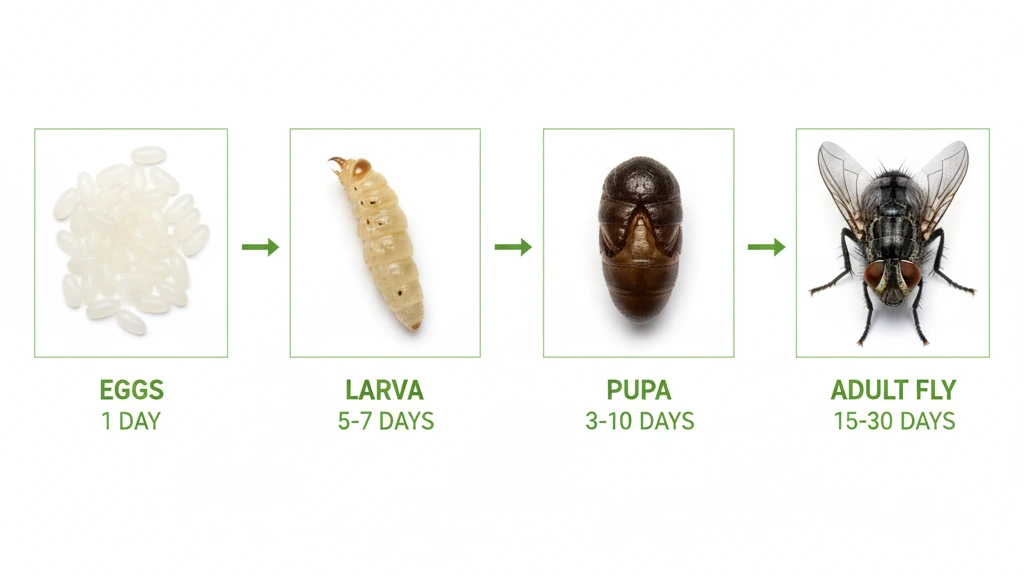
1Egg Stage (8-24 Hours)
Female flies deposit clusters of 75-150 eggs on suitable substrates, with individual flies laying up to 500 eggs over their 15-25 day lifespan. These tiny white eggs, resembling grains of rice (approximately 1.2mm long), require moisture and appropriate temperatures for successful hatching.
Optimal conditions: Temperatures between 80-95�F (27-35�C) and high humidity accelerate egg development, with hatching occurring in as little as 8 hours under ideal circumstances.
2Larval Stage / Maggot (3 Days - 7 Days)
Upon hatching, larvae immediately begin feeding on surrounding organic matter. Maggots pass through three developmental stages (instars), molting between each as they grow. During this period, larvae increase their body weight through continuous feeding.
Growth factors: Warmer temperatures and abundant food accelerate larval development. House fly maggots typically complete this stage in 3-5 days at 95�F (35�C), while cooler temperatures extend development to several weeks.
3Pupal Stage (2-10 Days)
Mature larvae migrate away from feeding sites to drier, protected locations where they form pupae. The maggot's outer skin hardens into a protective case called a puparium, inside which dramatic metamorphosis transforms the larval body into adult fly structures.
Development environment: Pupae require relatively dry conditions and typically seek dark, secluded locations. Temperature significantly impacts pupal development duration, with optimal conditions producing adult flies in 2-6 days.
4Adult Stage (15-25 Days Average Lifespan)
Adult flies emerge from pupae and begin mating within 2-3 days. Females seek suitable sites for egg laying, guided by chemical cues from decomposing organic matter. The cycle then repeats, with potential for multiple overlapping generations during warm months.
Reproduction capacity: Under ideal conditions, a single pair of flies can produce over 1 million offspring within six weeks through successive generations, demonstrating why prompt infestation control proves essential.
Common Fly Species That Produce Maggots
Different fly species produce distinct types of maggots, each with specific characteristics and preferred breeding sites:
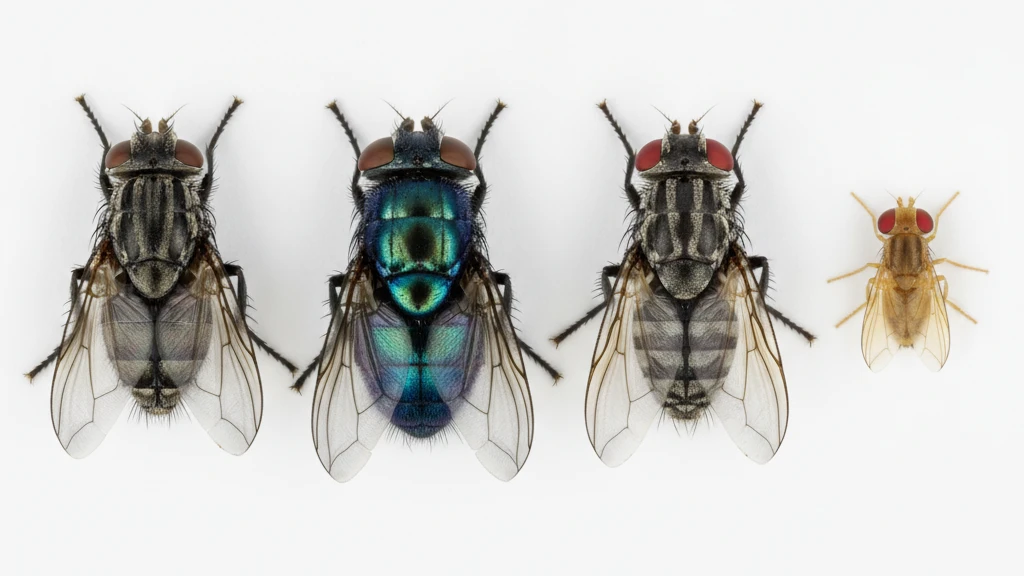
House flies (Musca domestica)
Produce pale white, tapered maggots typically 3-9mm long, commonly found in garbage and food waste
Blowflies (Calliphoridae family)
Create larger maggots that often develop darker coloring as they mature, frequently associated with decaying organic matter
Flesh flies (Sarcophagidae family)
Generate maggots similar to blowfly maggots but typically found in rotting organic matter
Fruit flies (Drosophila species)
Produce tiny larvae found in overripe fruit and fermented liquids
💡 EcoGuard Experience
During peak summer months, we observe distinct patterns in the types of maggot calls we receive. House fly maggots dominate kitchen and garbage-related infestations, particularly in homes with inadequate waste management practices. Blowfly infestations tend to cluster around areas where pet waste accumulates or where small animals may have died in wall voids or crawl spaces. We've learned to identify the likely fly species based on maggot location and size, which helps us target our treatment and prevention recommendations more effectively.
What Gets Confused for Maggots
Plenty of what gets called a maggot turns out to be something else, and the difference decides the treatment. Fly larvae mean moisture and decay; most of the lookalikes mean a dry-goods, fabric, or plumbing problem, and none of those is solved at the trash can.
- Pantry moth larvae: Up to about 12mm, off-white with a darker brown head capsule, usually trailing fine silk webbing. Found in flour, cereal, rice and dry pet food, or crawling up a pantry wall to pupate. Webbing and a chewed package are the tell. Treated as maggots, you clean the bin while the source sits in the cupboard; the fix is discarding infested goods and sealing the rest in rigid containers.
- Carpet beetle larvae: Roughly 4 to 8mm, tan to reddish-brown, visibly bristly, and slow-moving rather than wriggling. Found along baseboards, under rugs, and wherever wool, felt or stored fabric sits undisturbed. Maggots are never hairy and never live in dry fabric. Mistake one for the other and clothing and carpet keep taking damage while you clean.
- Drain fly larvae: Thin, flattened, 4 to 10mm, often dark-tipped, and far less plump than a fly maggot. They live in the organic film coating a drain wall or a disposal splash guard, so they surface only when something flushes them loose. Cleaning the bin does nothing here. The film on the pipe is the habitat and it has to be physically removed.
- Mealworms and grain beetle larvae: Mealworms run 10 to 25mm, golden-brown, firm-shelled and segmented, with six small legs near the front. Found in stored grain, birdseed and pet food. Legs and a hard body rule out a maggot, which is soft, pale and legless. This is a stored-product problem, not a sanitation one.
- Fly pupae mistaken for droppings: After it stops feeding, a maggot crawls away from the wet source to somewhere dry and hardens into a dark reddish-brown capsule 5 to 8mm long, rounded at both ends, which people routinely take for mouse droppings. They turn up along baseboards and under appliances, far from any food, which is why the location makes no sense. Adult flies emerge from them, so a breeding site is close by and already a generation old.
The quick test: a maggot is soft, legless, pale, and found in or beside something wet and decaying. Legs, bristles, a hard shell, webbing, or a dry cupboard point somewhere else.
Why Maggots Choose Specific Locations
Maggots develop in locations that provide optimal conditions for survival and growth. Female flies actively seek sites that offer adequate moisture, appropriate temperature, protection from predators, and abundant food sources. Decomposing organic matter releases chemical signals that attract gravid females from considerable distances.
The preference for specific locations reflects evolutionary adaptations that maximize larval survival rates. Maggots require moist environments to prevent desiccation but also need sufficient oxygen for respiration through their posterior spiracles [11]. Sites that balance these requirements, such as partially decomposed food waste or damp organic matter, become prime targets for egg-laying females.
⚠️ High-Risk Factors for Maggot Infestations:
- Warm, humid climates or summer months
- Homes near livestock operations or agriculture
- Properties with outdoor pets or wildlife activity
- Buildings with structural gaps allowing fly entry
- Households with limited mobility residents affecting sanitation maintenance
- Vacation properties left unattended with food items present
Health and Safety Concerns
While maggots themselves rarely pose direct health threats to humans, several safety concerns warrant attention:
- Myiasis infections: A parasitic infection where fly larvae infest human tissue, typically occurring in tropical areas or in people with untreated wounds
- Food contamination: Maggots feeding on food items can introduce bacteria and make food unsafe for consumption. Contamination rarely stops at the item that visibly contains larvae. Adult flies feed on waste and carrion before landing on food, carrying bacteria on their mouthparts and leg hairs, and they deposit both eggs and fecal specks wherever they settle. Larvae then crawl between stored items in a pantry or refrigerator drawer, and hands, utensils and cutting boards that touched the affected food move the contamination on again. Anything in direct contact with maggots is a discard, not a wash
- Secondary bacterial infections: The presence of maggots often indicates conditions that support harmful bacterial growth
- Pet health risks: Animals with open wounds, mobility issues, or poor hygiene are susceptible to maggot infestations that can cause serious tissue damage. Elderly, long-haired, and mobility-limited pets are the most exposed, particularly around soiled fur, hot spots, and surgical sites. Outdoor kennels, bedding, and feeding areas warrant the same inspection as a kitchen bin, and any larvae found on or near an animal is a same-day veterinary matter rather than something to clean up at home
- Handling risk during cleanup: The material maggots are feeding on is the actual hazard. Rotting food, animal waste, and carcasses carry bacteria that transfer readily to hands, and disturbing a dry deposit of droppings or nesting material can put particles into the air
Handling and Cleanup Precautions
- Wear disposable gloves for any contact with larvae or the material they are feeding on, and wash hands thoroughly afterward even though gloves were worn
- Do not dry sweep or vacuum rodent droppings or nesting material found alongside maggots. Dampen the area with disinfectant first, then wipe up and bag the waste
- Do not vacuum live maggots. Larvae survive inside the canister or bag and continue developing there
- Double-bag everything removed, seal both bags, and place them straight into an outdoor container with a closing lid rather than an indoor bin
- Disinfect the surface after removal, not just around it, and allow it to air dry before replacing liners, mats, or stored items
- Keep pets and children out of the area until cleanup and disinfection are finished
- Use a mask and ventilate the space when working in a confined area such as a cabinet, closet, attic, or crawl space
Prevention through proper wound care and maintaining clean environments significantly reduces these health risks for both humans and pets.
How to Get Rid of Maggots
Effective maggot elimination requires both immediate removal and source elimination strategies. Treating visible maggots without addressing breeding sites results in recurring infestations as new eggs continue hatching. The following step-by-step approach ensures comprehensive eradication.
Step 1: Immediate Maggot Removal
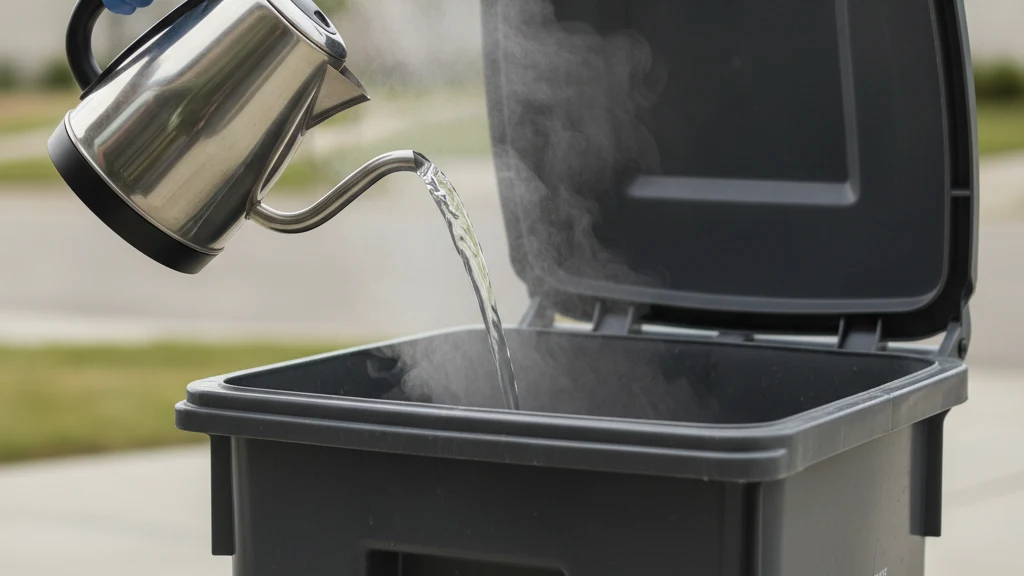
Boiling Water Method (Most Effective)
- Bring water to a rolling boil in a kettle or pot
- Carefully pour boiling water directly onto maggot clusters
- Maggots die instantly upon contact with high-temperature water
- Safety note: Exercise extreme caution around children and pets; steam can cause burns
- Best for outdoor use or in areas that can withstand water exposure
Salt Application
- Liberally sprinkle table salt or rock salt directly on maggots
- Salt dehydrates larvae through osmotic action
- Death occurs within 30-60 minutes
- Effective for small-scale infestations
- Sweep up dead maggots and dispose in sealed bags
Step 2: Source Elimination
Removing breeding material proves more critical than killing visible maggots. Any remaining organic matter will attract new egg-laying flies, perpetuating the infestation cycle.
- Locate all maggot breeding sites through thorough inspection
- Remove contaminated food, garbage, or organic materials immediately
- Double-bag infested materials in sealed plastic bags
- Place sealed bags directly into outdoor garbage containers with lids
- For dead animals: Wear gloves, use plastic bags, and dispose according to local regulations
- Clean containers that held infested materials with hot, soapy water
Step 3: Thorough Sanitation
Cleaning Protocol:
- Scrub affected surfaces with hot, soapy water to remove organic residue
- Apply bleach solution (1:10 ratio) or commercial disinfectant to sanitize
- For drains: Pour boiling water followed by bleach solution
- Clean surrounding areas where maggots may have migrated
- Allow surfaces to air dry completely
- Dispose of cleaning materials in sealed bags
Drain-Specific Remediation
A drain is the one breeding site where ordinary cleaning almost always fails, because the habitat is not the water in the pipe. It is a gelatinous organic film, a biofilm, bonded to the inside wall of the pipe above the standing water, along with the residue under a garbage disposal splash guard. Larvae live in that film. Anything poured down the drain runs through the middle of the pipe and past it.
That is also why bleach alone does not work. It is a liquid with a short contact time, it sheets straight down the center and off the walls, and the biofilm's outer layer shields the larvae underneath long enough for the bleach to be flushed away and diluted. The drain runs clear for a few days and the flies return, because the film was never removed. Repeat doses of bleach corrode older pipe joints and seals without ever reaching the problem.
What Actually Clears a Drain
- Brush the pipe wall mechanically. Run a stiff, long-handled drain brush as far down the pipe as it will reach and scrub the walls, not just the opening. On a garbage disposal, remove the rubber splash guard if it lifts out and scrub both faces, which is where the heaviest residue sits
- Flush with boiling water in stages. Pour roughly a kettle's worth slowly, wait two to three minutes so the heat carries down the pipe rather than passing through, then repeat. Two or three staged pours do more than one large volume. Skip boiling water on PVC that carries a dishwasher discharge line, and use very hot tap water there instead
- Apply an enzymatic or bacterial drain cleaner. These products digest the organic film itself rather than trying to burn through it, which is what removes the habitat. Apply last thing at night with no water use until morning, because they need hours of undisturbed contact time. Expect to repeat on consecutive nights, then monthly as maintenance
- Confirm the result. Tape a piece of clear packing tape sticky-side down over the drain opening overnight, leaving a gap for air. Adults emerging from the pipe stick to it. A clean strip after several nights means the film is gone
One caveat worth checking before repeating any of this. If a drain keeps producing larvae after the film has genuinely been removed, the source is often not the drain at all but a leak feeding it. A cracked pipe, a failed seal at a trap or wax ring, or a slow supply-line drip saturates the cabinet floor, the subfloor, or the soil under a slab, and that damp organic material breeds flies that then emerge at the nearest opening, which is the drain. Persistent dampness under a sink, a musty smell that outlasts the cleaning, warped cabinet decking, or a stain on a ceiling below an upstairs bathroom all point to a plumbing repair rather than another round of drain treatment.
Step 4: Natural Treatment Options
- Vinegar solution: Mix equal parts white vinegar and water; spray on surfaces to alter pH and create inhospitable conditions for eggs and larvae
- Citrus-based cleaners: Natural d-limonene in citrus oils repels flies and disrupts maggot development
- Diatomaceous earth: Food-grade DE damages maggot exoskeletons, causing dehydration (wear mask during application)
Step 5: Chemical Interventions (When Necessary)
For persistent or large-scale infestations, appropriate insecticides accelerate elimination. Always follow product label instructions and safety precautions.
- Permethrin-based sprays: Effective against fly larvae; apply to breeding sites after removing organic matter
- Pyrethrins: Natural insecticides derived from chrysanthemums; less persistent than synthetic options
- Indoor fly sprays: Use products specifically labeled for indoor use in living spaces
- Drain treatments: Specialized formulas for eliminating drain fly larvae
💡 EcoGuard Experience
From our field experience, the boiling water method proves most effective for immediate maggot elimination, though we caution homeowners about safety around children and pets. We've found that homeowners who attempt to sweep or vacuum live maggots often spread the problem, as some larvae survive and continue developing in vacuum bags or scattered locations. The key is to treat maggots where they're found before attempting removal, then address the source material that attracted the original egg-laying flies.
Prevention Strategies
Preventing maggot infestations requires comprehensive sanitation practices and environmental management. Consistent application of preventive measures creates an environment that discourages flies from laying eggs in or around homes. The following strategies address the fundamental conditions that enable maggot problems.

Proper Waste Management
Indoor Garbage Practices
- Use garbage cans with tight-fitting, sealed lids
- Line bins with plastic bags that can be tied closed
- Empty kitchen garbage daily, especially during warm weather
- Rinse food containers before disposal
- Wrap meat scraps and protein waste in additional bags
Outdoor Waste Management
- Store outdoor bins away from entry doors and windows
- Clean bins monthly with hot water and disinfectant
- Keep lids closed at all times between use
- Consider bins with rubber gasket seals for enhanced protection
- Arrange garbage pickup on the shortest possible schedule
Food Storage and Handling
- Sealed containers: Store all food in airtight containers, particularly items that attract flies (fruits, vegetables, meats)
- Refrigeration: Promptly refrigerate perishable items rather than leaving them at room temperature
- Produce inspection: Check fruits and vegetables regularly; remove overripe or damaged items
- Pet food management: Don't leave wet pet food in bowls for extended periods; store dry food in sealed containers
- Clean spills immediately: Address food spills on floors, counters, and inside appliances as they occur
- Regular pantry maintenance: Check expiration dates and dispose of expired items; clean pantry shelves monthly
Moisture Control
- Fix plumbing leaks: Repair dripping faucets, leaking pipes, and water damage promptly
- Improve ventilation: Use exhaust fans in bathrooms and kitchens; ensure proper airflow in basements
- Address condensation: Insulate cold pipes; maintain appropriate humidity levels (30-50%)
- Drain management: Keep sink drains clean; use enzyme cleaners monthly to prevent organic buildup
- Pet water: Change pet water bowls daily; clean to prevent biofilm development
Physical Barriers
- Window and door screens: Install 16-mesh or finer screens on all windows and doors; repair damaged screens immediately
- Seal entry points: Caulk gaps around windows, doors, pipes, and electrical conduits
- Door sweeps: Install sweeps on exterior doors to eliminate gaps at the bottom
- Weatherstripping: Apply weatherstripping to exterior doors and windows
- Vent covers: Cover attic vents, crawl space vents, and chimneys with fine mesh screens
Regular Cleaning Schedules
Recommended Cleaning Frequency:
Daily
- Wipe kitchen counters and stovetops
- Sweep/vacuum kitchen floors
- Empty kitchen garbage
- Wash pet food and water bowls
Weekly
- Clean garbage cans with disinfectant
- Mop kitchen and dining area floors
- Clean drains with enzyme cleaner or boiling water
- Remove outdoor pet waste
Monthly
- Deep clean under appliances
- Inspect and clean pantry shelves
- Clean outdoor garbage containers thoroughly
- Check and clean basement/attic areas
Pet Care Practices
Maintaining pet health and hygiene significantly reduces maggot risks, particularly for outdoor animals or those with mobility limitations.
- Keep pets clean and dry, especially in skin folds and long fur
- Treat wounds promptly; monitor healing progress
- Groom regularly to remove debris and maintain coat condition
- Limit outdoor exposure during peak fly activity (warm, humid periods)
- Use veterinarian-approved fly repellents for outdoor pets
- Clean litter boxes daily; wash weekly with disinfectant
- Promptly remove feces from yards and outdoor pet areas
Early Detection and Inspection
Regular inspection helps identify potential maggot problems before they become severe infestations. Visual signs include small white larvae in garbage areas, around pet food, or near drainage systems. Foul odors often accompany maggot infestations as decomposition accelerates.
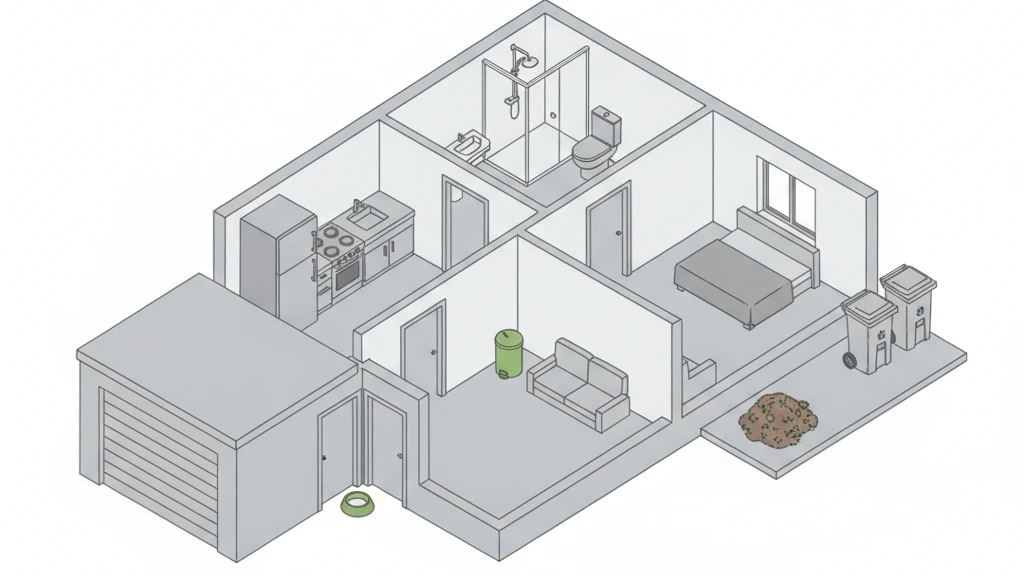
- 1kitchen sink drain
- 2indoor trash
- 3bathroom
- 4garage
- 5pet food bowl area
- 6outdoor trash bins
- 7compost pile
Inspection Protocol
Systematic Inspection Steps:
- Kitchen areas: Check under sinks, behind appliances, in pantries, around garbage cans, and in drains
- Bathrooms: Inspect drains, behind toilets, in shower areas, and around plumbing fixtures
- Pet areas: Examine food and water bowls, litter boxes, pet bedding, and surrounding floors
- Garbage zones: Inspect indoor and outdoor trash containers, recycling bins, and compost areas
- Hidden spaces: Check behind and under furniture, in closets, and in storage areas
- Structural voids: Look for signs in attics, basements, crawl spaces, and wall voids (particularly if odors present)
- Outdoor areas: Examine areas around foundations, in gardens, near grills, and around animal waste locations
Inspection Technique
Where you look matters less than how you look. Most missed infestations are missed because the inspection was done standing up, in ambient light, with the bin lid closed.
How to Inspect, Not Just Where
- Lead with the nose, not the eyes. Odor finds a source faster than sight does, and the useful signal is that it is localized. Walk the room and note where the smell strengthens and where it disappears. A smell that is constant everywhere is ambient; a smell that peaks at one wall, one vent, or one cabinet is pointing at something
- Use a flashlight held low and raked across the surface. Side lighting throws shadows off pale larvae and dark pupae that overhead light washes out. Sweep the rim and lid seams of every bin, the fold where a liner turns over the rim, and the seam between the bin body and its base, which is where liquid collects and eggs are laid
- Lift the liner and look underneath. The gap between the liner and the bin wall collects leaked liquid and is the single most productive place to check in a kitchen. Then check the floor directly under and behind the can
- Pull appliances forward. Refrigerator, range, dishwasher and washing machine all have a warm, dark, damp strip behind and beneath them that never gets cleaned. Check the drip pan under a refrigerator and the toe-kick gap below the cabinets
- Treat the pet zone as its own inspection. Under and behind the bowls, the mat, the storage bag and the scoop, plus bedding, crate trays, litter areas and anywhere food gets carried and dropped
- Include the garage and the path to the outdoor bins. Recycling with residue, a second refrigerator, a chest freezer, stored pet food, and the drips along the route from the kitchen door to the curb are all common and commonly skipped
- Follow the crawl. Larvae leaving a source travel several feet to pupate somewhere dry. If you find pupae along a baseboard or under a cabinet, work outward from that spot toward wetter ground rather than treating where you found them
Cadence matters as much as method. Through the warm months, when a full cycle from egg to adult can finish in about a week, a weekly two-minute check of bins, drains and pet areas catches problems while they are still one bin deep. Move to a fuller walkthrough once a month, and add a seasonal inspection at the start of spring and again in late fall, when the attic, garage, basement and crawl space are worth a dedicated look. Spring catches what overwintered; late fall catches the rodent activity that starts as temperatures drop and that turns into a maggot problem weeks later.
Increased fly activity around specific areas often indicates nearby breeding sites that may already contain developing maggots. Adult flies are most active during daytime hours so seeing fly activity during the day may indicate the upcoming emergence of maggot activity.
Beneficial Role of Maggots
Despite their unwelcome presence in homes, maggots serve important ecological functions in natural environments. These larvae act as nature's recycling system, breaking down dead organic matter and returning nutrients to soil. Their decomposition activities support ecosystem health by preventing the accumulation of dead material.
Ecological Functions
- Decomposition: Maggots act as nature's recycling system, breaking down dead organic matter and returning nutrients to soil. This process prevents the accumulation of dead material and supports ecosystem health
- Nutrient cycling: Larval feeding converts complex organic compounds into simpler forms that plants can absorb, facilitating nutrient transfer through food webs
- Waste reduction: In controlled settings, certain fly species (like black soldier flies) process organic waste efficiently, reducing landfill contributions and producing valuable compost
- Food source: Maggots serve as protein-rich food for birds, fish, reptiles, and other animals, supporting biodiversity
When to Call Professional Pest Control
Certain situations warrant professional intervention rather than DIY treatment approaches. Recognizing these scenarios helps homeowners avoid wasted time, expense, and potential health risks while ensuring effective infestation resolution.
Situations Requiring Professional Service
- Persistent infestations: Maggot problems that return despite thorough cleaning and treatment efforts may indicate structural issues or hidden breeding sites requiring expert identification
- Large-scale infestations: Extensive maggot presence covering multiple areas of a home often exceeds the capacity of household remedies and benefits from professional-grade treatments
- Hidden sources: When maggots appear but breeding sites cannot be located, professional inspectors use specialized tools and expertise to find concealed problems
- Structural breeding sites: Maggots developing in wall voids, subfloor areas, or other inaccessible locations require professional assessment and treatment approaches
- Dead animals in structures: Locating and removing deceased wildlife from walls, attics, or crawl spaces typically requires professional experience and equipment
- Commercial properties: Businesses face regulatory requirements and reputation risks that necessitate professional pest management approaches
- Health concerns: Properties housing vulnerable individuals (elderly, immunocompromised, or very young) benefit from professional-level sanitation and pest elimination
Professional Service Benefits
Expert Identification
Professional technicians accurately identify fly species and breeding sources, enabling targeted treatment strategies rather than generalized approaches that may prove ineffective.
Specialized Tools
Professionals possess equipment for detecting hidden breeding sites (thermal imaging, borescopes), accessing difficult areas, and applying treatments safely and effectively.
Comprehensive Prevention
Professional services include sanitation recommendations, exclusion strategies, and monitoring programs tailored to specific property conditions and risk factors.
Safety Assurance
Licensed professionals apply treatments according to regulations, protecting family members and pets while ensuring effective pest elimination.
Contact EcoGuard Pest Management if You Are Dealing with Maggots
When maggot infestations overwhelm your ability to manage them effectively, EcoGuard Pest Management provides professional solutions designed to eliminate current problems and prevent future occurrences. Our trained technicians understand the biology and behavior of flies and maggots, enabling us to identify breeding sources and implement targeted treatment strategies.
EcoGuard's comprehensive approach addresses both immediate maggot removal and long-term prevention through sanitation recommendations and environmental modifications. We use safe, effective methods that protect your family and pets while eliminating pest problems at their source. Contact EcoGuard Pest Management today for professional maggot control services that restore sanitary conditions to your home and provide peace of mind for your family.
Maggot FAQs

About the author
General Manager and Termite Director, EcoGuard Pest Management
Vincent Villalobos is General Manager and Termite Director at EcoGuard Pest Management, where he's worked since 2017. He runs the crews, trains the techs, and writes here so homeowners know what they're looking at and what actually works.
References
- https://extension.unh.edu/resource/house-fly-fact-sheet
- Nayduch D, Neupane S, Pickens V, Purvis T, Olds C. “House Flies Are Underappreciated Yet Important Reservoirs and Vectors of Microbial Threats to Animal and Human Health.” Microorganisms, vol. 11, no. 3, 2023, article 583. PubMed Central, U.S. National Library of Medicine. Accessed September 24, 2026. https://pmc.ncbi.nlm.nih.gov/articles/PMC10054770/
- https://australian.museum/learn/science/decomposition-fly-life-cycles/
- “Maggot (insect larva).” Encyclopaedia Britannica. Accessed September 24, 2026. https://www.britannica.com/science/maggot-insect-larva
- https://extension.unh.edu/resource/house-fly-fact-sheet
- Hall MJR, Simonsen TJ, Martín-Vega D. “The ‘dance’ of life: visualizing metamorphosis during pupation in the blow fly Calliphora vicina by X-ray video imaging and micro-computed tomography.” Royal Society Open Science, vol. 4, no. 1, 2017, article 160699. PubMed Central, U.S. National Library of Medicine. Accessed September 24, 2026. https://pmc.ncbi.nlm.nih.gov/articles/PMC5319339/
- “House Fly [fact sheet].” University of New Hampshire Extension. Accessed September 24, 2026. https://extension.unh.edu/resource/house-fly-fact-sheet
- https://extension.unh.edu/resource/house-fly-fact-sheet
- https://www.pubs.ext.vt.edu/ENTO/ENTO-137/ENTO-137.html
- “House Fly [fact sheet].” University of New Hampshire Extension. Accessed September 24, 2026. https://extension.unh.edu/resource/house-fly-fact-sheet
- https://www.britannica.com/science/maggot-insect-larva
How we made this article
We researched and drafted this article with the help of AI tools, which let us gather and organize findings from many scientific sources quickly. People made the final call on every fact: each statistic and health or safety claim was checked against the primary sources listed above, and the full article was reviewed for accuracy by Vincent Villalobos, EcoGuard's General Manager and Termite Director. The illustrations in this article are AI-generated, not photographs.